Bunny In The Hay Feeder

I didn’t bother with a lid for my hay feeder because I figured the bunnies couldn’t get inside, and there was no other reason to cover it.  Well, as it turns out, they can get in.

DSC_0592

That is a baaaaaad bunny.  I don’t know why sitting in the litter box and nomming the hay from the hole wasn’t good enough.  Maybe sitting in your food while eating offers some special pleasure.

New Gutter

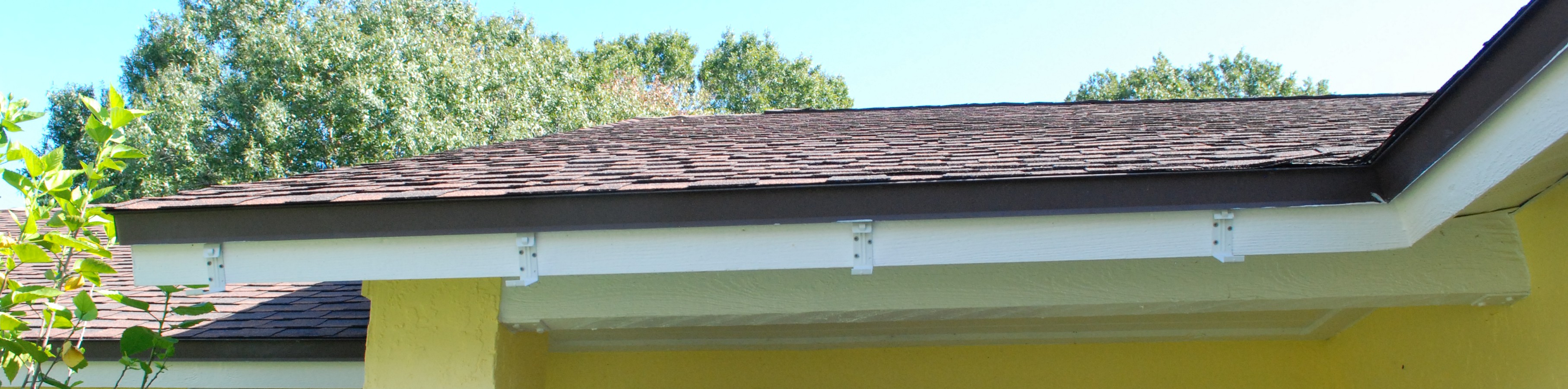
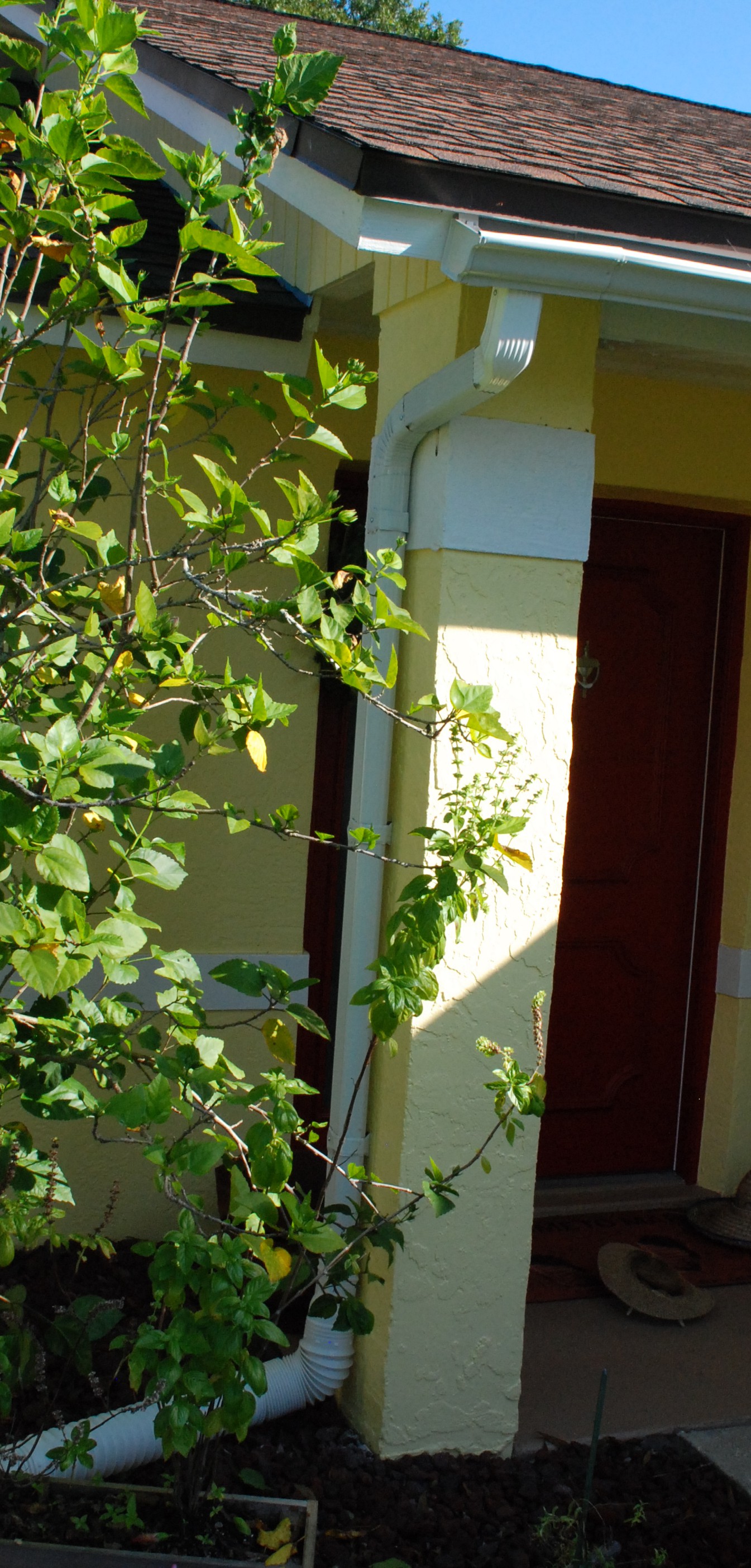
My house has a small front porch who’s roof is an extension from the rest of the house.  During a good rain storm, which we get a lot of around here, it can produce quite a waterfall when coming into the house.  I had a free Sunday, so why not try to fix it?

DSC_0575

It turns out gutter materials are pretty cheap.  I think this cost me under 50 dollars to do total, but I didn’t save the receipts, so that is a bit of a guess.  There are a variety of anchor systems for these gutters.  I went with these right angle brackets.  They will hold the gutter at an angle, which isn’t ideal, but they are easy to install one a time.  These made doing the project solo much easier.  All the other attachment methods require the entire gutter be in place as you attach with a single screw into the joist.

DSC_0580

I set the right clip as high as it would go while still allowing clearance under the drip flashing, then used a level to give each successive clip a little down bubble.  It is hard to say exactly how much drop I gave it as the fascia isn’t level.  Either way it has a gentle slope towards the drain.  Now to rivet together the drain and gutter section.

Because no good project goes without a disaster, my old rivet gun had an accident.  The back end had loosened up and popped off right in the middle of my first rivet.  I recovered the internal parts and the spring.  After 20 minutes I gave up on the back end nut.

DSC_0581

So, another unexpected trip to lowes later and I had it all riveted and glued together.  I was able to snake the drain section along the side of the support column instead of the front so it is less noticeable.

DSC_0582

DSC_0583

As usual it took more time and trips to the hardware store than I anticipated, but overall it was pretty easy and cheap.  Should have done it years ago!


Now for the real reason to add gutters it makes for a highly convenient christmas light hanging surface.

DSC_0585

New Bunny Hay Feeder

I made a quick feeder for the new buns in kind of a rush and without a lot of research.  It was a shallow 3 sided box with vertical dowels to hold the hay in across the front.  The dowel spacing was bad.  First it was hard to get their heads in because it was too narrow, then when I removed a few dowels it was too wide.  They tended to pull a ton of the hay out into their box.

DSC_0419

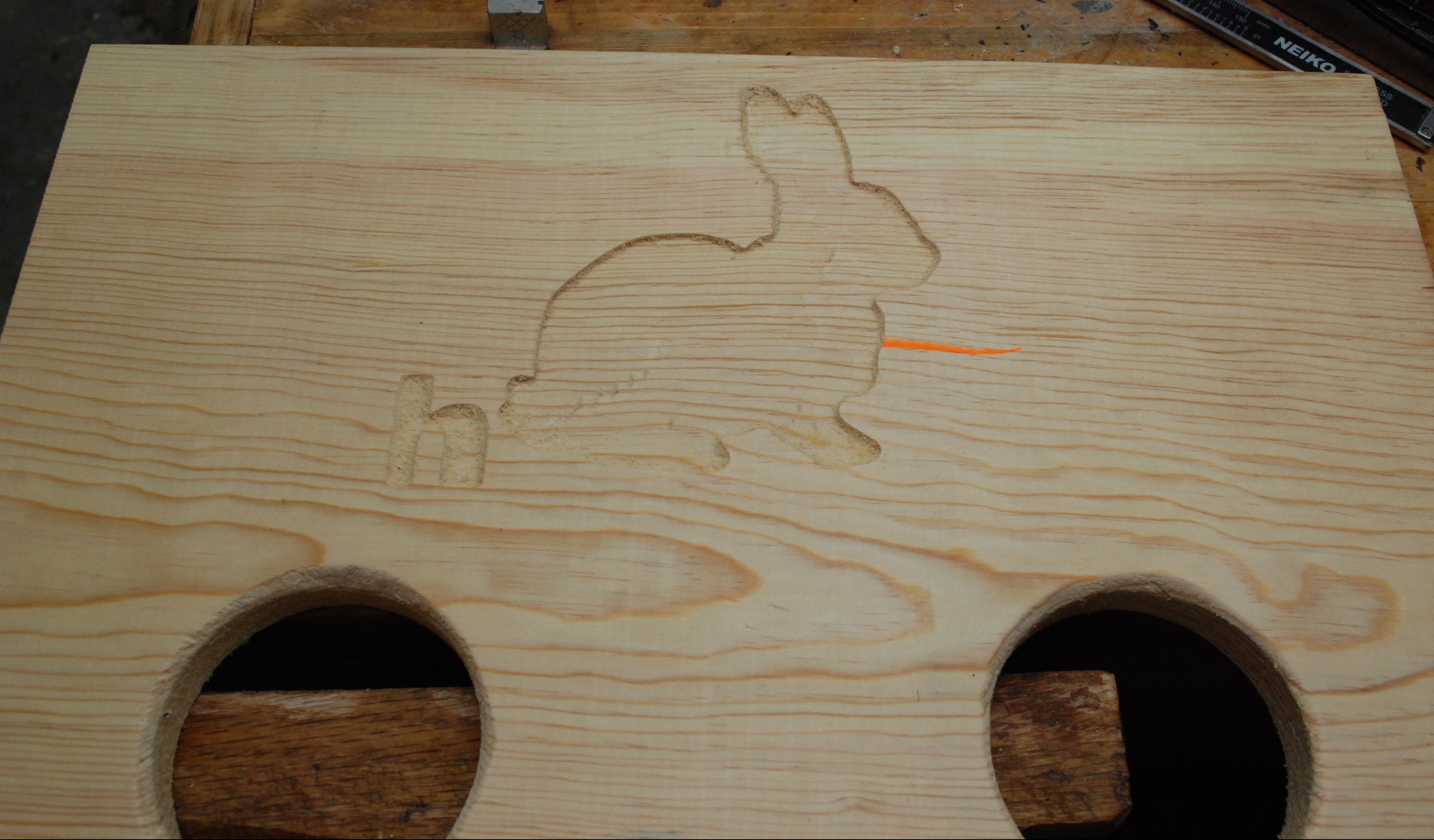
A solid box with two holes is the right way to go.  I used some 1×12 pine to give a nice tall body.  I wanted to engrave a bunny silhouette and the words “Chow Time” on the front.  Unfortunately I didn’t center the piece well and my CNC hit a hard limit.  It got to the “h” and I knew the rest would be ruined.  So skip the words and make the bunny bigger instead.  Had it gone well I would have taken the time to do some color inlay.  oh well, next hay box.

DSC_0492

I assembled the front with sides and a back to make a box with no top or bottom.  Instead of a flat bottom I used a plane to put a rough angle on the two edges of a board.  Once installed at an angle it made the bottom ramp towards the two feed holes.

DSC_0493

This picture shows the ramped bottom better.

DSC_0494

I installed it to the bunny fence set at a good height for their litter box.  There was going to be a lid, but I decided against it.  No reason really, just dump hay in when needed!  UPDATE: As it turns out, they can get inside.  A lid might not be a bad idea.

DSC_0495

This box has a ton of capacity, and because of the smaller openings than my previous attempt they tend to pull a lot less into their litter box.  This means less filling and less waste.  They can often be found with their little faces stuffed in nomming on bits of hay.

DSC_0504

Ham Shack Hutch

My father in law dropped a hint about his birthday/christmas present the last time he was over.  It was in the form of a sticky note drawing of a hutch to complete his new ham shack.  My wife is losing her old room, and he is gaining a shack.  He wanted something simple with light wood that would hold a bit of equipment.  Thankfully my years of having bought ikea furniture came in handy.

It was going to be over 30 inches wide, just under 2 feet tall, and 16 inches deep.  Fitting it inside a car for the long ride to their house would be trick.  Instead of gluing I decided to employ dados and have everything screw together.  Chase style flat pack!

DSC_0428

I took 8″ wide poplar boards and face joined them to make the 16″ depth I was looking for.  Saw benching is so much more peaceful and fun than using a noisy miter saw.

DSC_0429

Once jointed together I used the router to make a 1/4″ dado in the uprights for the middle shelf, and one along the edges of the top shelf.  That one probably wasn’t absolutely needed, but I felt it would help with assembly alignment.

DSC_0445

This was my first poplar project and I like the look of it, but boy is this stuff soft.  Planing without tearout was tricky and any misuse of a tool left gouges and dents in the wood.

I decided to try my new bottle of tung oil out and was not disappointed.  Tung oil is such great stuff.  Finishing was a breeze with everything disassembled and my new screw wax made putting it all together quick and easy.  When they stopped through on their way back home the car was full enough to make carrying an assembled hutch impossible.  No problem, it comes apart.  They could have fit 10 of the flat pack ones in!

DIY Screw Wax

Screw wax is a miracle of woodworking.  The original woodscrews were probably medieval or earlier.  There is debate on when they were first used.  I don’t know the correct time, but I bet they were universally hated until someone discovered screw lube.

With or without a pilot hole, by power tool or hand, waxing a screw makes it go in so much smoother and easier.  No stripped phillips slots, no broken off heads, and less arm ache if doing it by hand.  I picked up a little tin of screw wax a few years back, and it has become my best friend for doing anything finer than 2×4 construction.  I love the stuff so much, I wanted to create my own.  After all, what is having a backyard full of bees good for if not making your own beeswax products?!
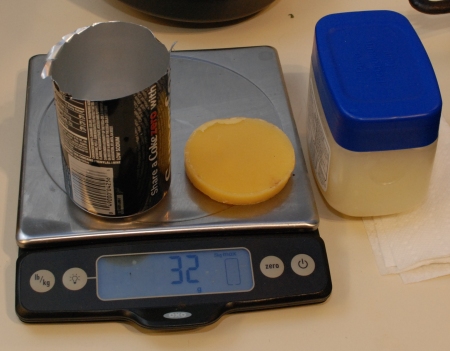
DSC_0473

My mustache wax experiments told me I wanted a few parts wax to a single part of something with a lower melting point.  Beeswax alone is just too hard to be really useful, so I chose petroleum jelly.  I had 32g of wax in this little puck.  I wanted to start with a 5:1 ratio, but my scale had issues measuring the jelly weight.  Not sure why, but I guessed at somewhere between 5 and 10 grams.

A soda can made an excellent disposable double boiler.  Once melted and consistent I let the contents set.  I wanted to test the wax before pouring it into a bunch of small containers.  I broke out some commercially bought wax, my attempt at screw wax, and straight beeswax.  A finger nail impression, while not exactly a rockwell hardness test, showed my version to be similar to the store bought stuff.  Beeswax barely leaves an impression with your nail.  Screws seem to pick it up just like the commercial stuff too.

DSC_0476

DSC_0477

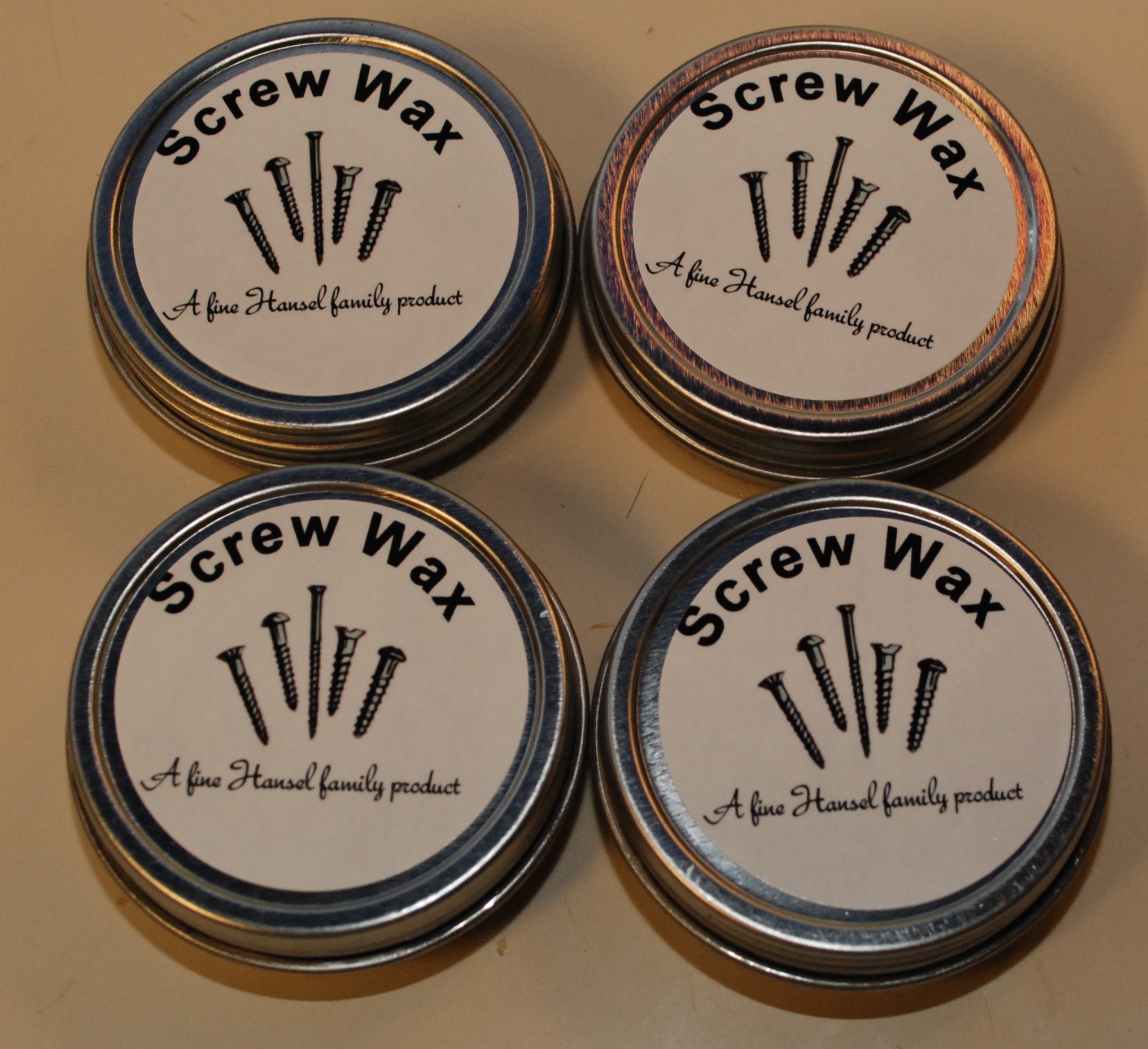
Satisfied with the results I remelted the puck and poured it into small 2oz metal tins with nice screw tops.  I ended up having to do a second batch to get 4 tins full.  Between my dad, my father-in-law, and myself, I needed at least 3.  Two tins for me probably represents a 10 year supply.  Who knows though, with labels that snazzy, I might find myself reaching for it even more.

DSC_0478

DSC_0479


Countersink Bit Set

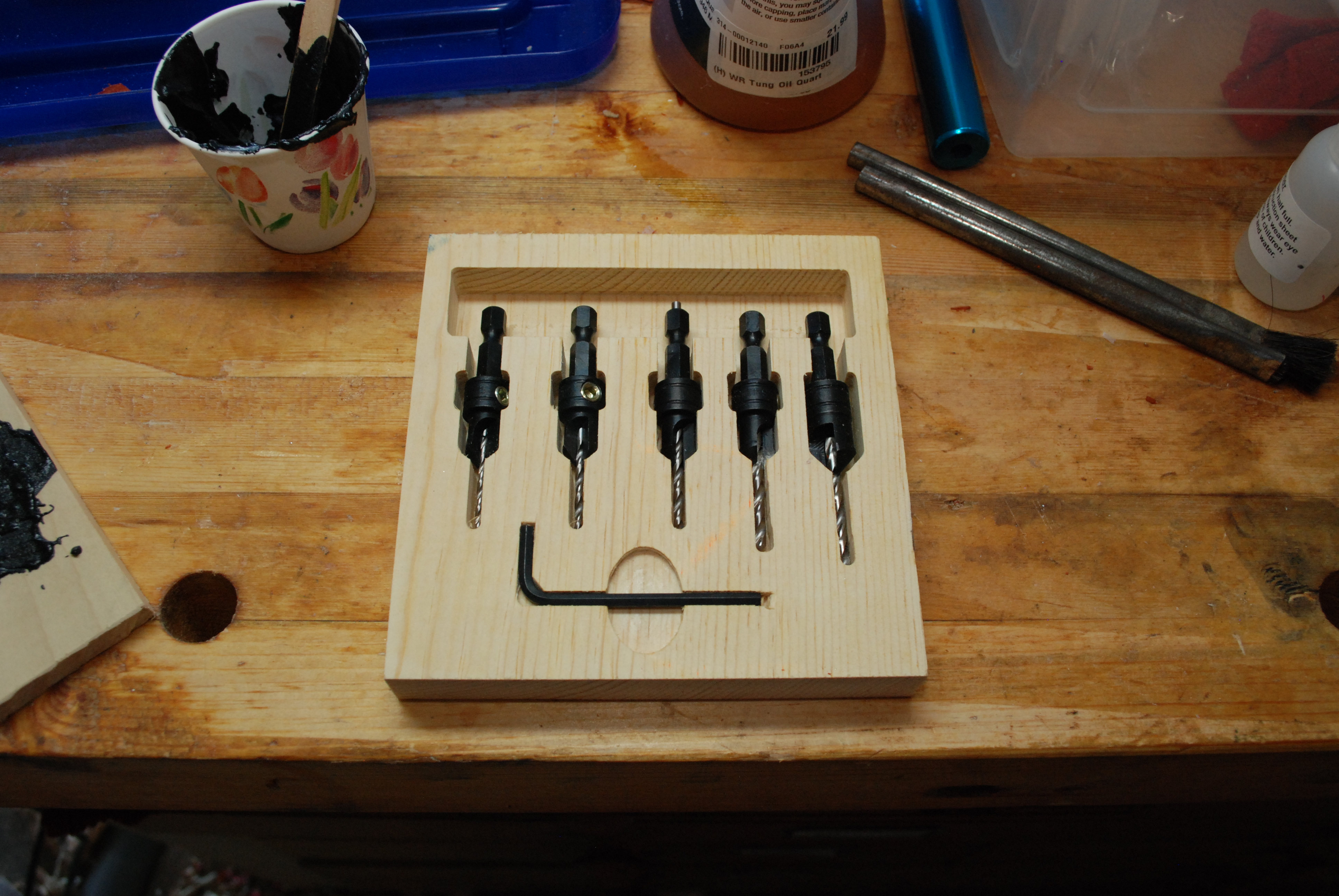
Countersink bits are supremely useful.  Screws that are run flush look nicer, they are easier to install with the pilot hole, and are much less likely to split wood.  The set is from woodcraft and came in a plastic package.  It wasn’t useful for long term storage, and the simpler older set I had kind of rattles around in a drawer somewhere.  I wanted a better fate for this set, so I got to making a nice box for myself.

DSC_0455

I started with a piece of pine in my mill.  I milled everything in the bit area to the same depth that would accommodate the thick ring with the set screw.  In retrospect I would mill multiple depths so the chuck posts don’t rattle around as much.  Nothing is going to fall out with the lid on, but it would have been nicer and rattled less.

I was thinking about milling some numbering in but It would have required a lot of cam work and careful milling to individually make each number.  Instead I used my punch set to put in corresponding numbers.  A fine black sharpie really makes them pop.  I did the sharpie before I spray lacquered the wood.  The marker bled a bit on the soft pine, doing it the other way around next time would be better.

Next I milled a label into the lid and used some acrylic infill to make it really pop.

Everything got a coating of spray lacquer as a protectant.  A simple set of brass hinges made it an official lid, and some magnets keep it closed.  In retrospect, having magnets below each bit would have made this a really snappy cool set.  I guess its not too late!


Bonus Coaster

A co-worker I know is getting a tesla soon, so I figured he needed a nice coaster to go with it.  I was milling the day away, so why not?!  Also I am hoping this will get me a ride or two to lunch.

DSC_0457


Smoked Chuck Roast

A month or two back I saw where someone had smoked a chuck roast and turned it into pulled beef.  It looked awesome, so I thought I would try.  This gave me a great chance to use my bag of pecan smoker pellets.

DSC_0446

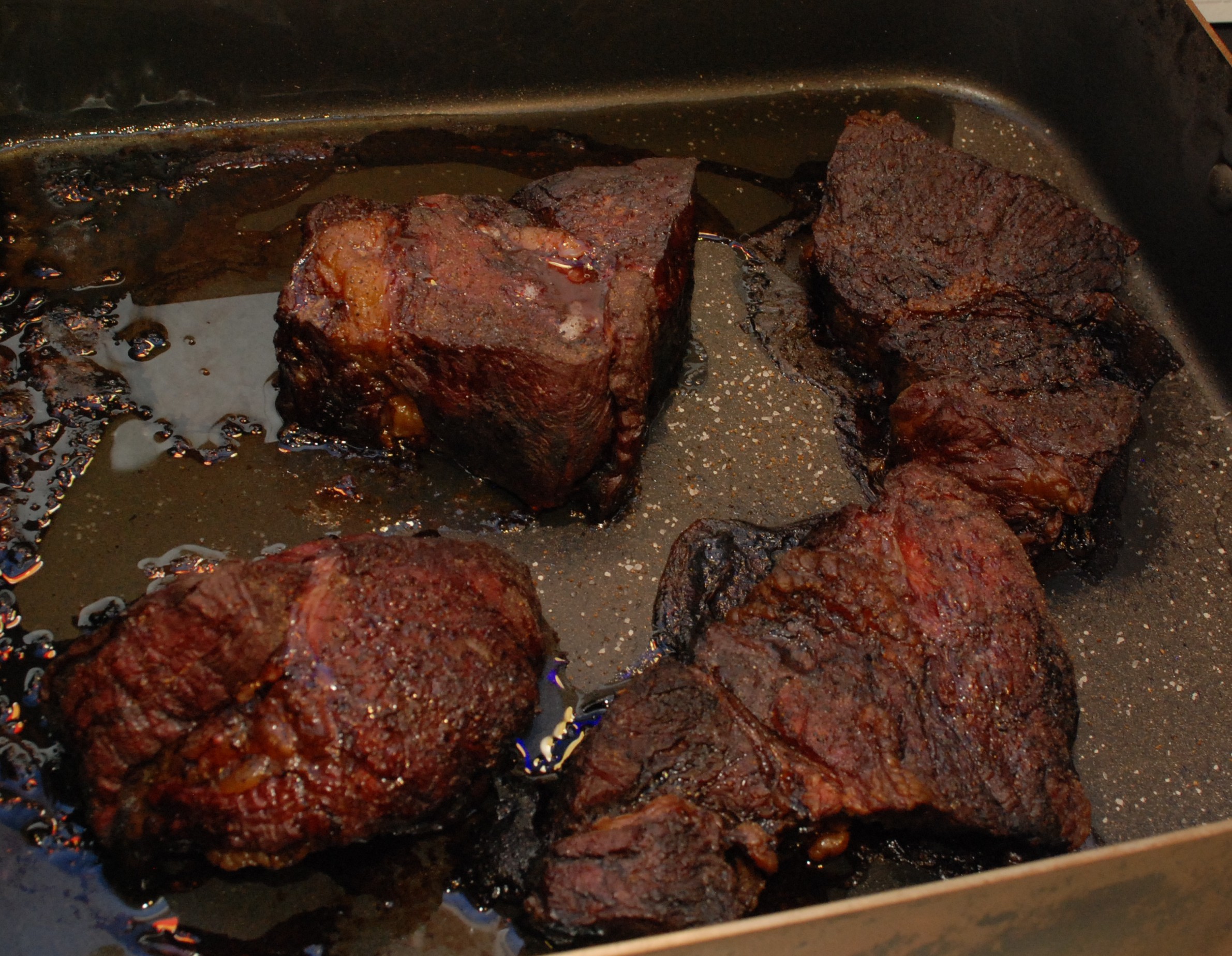
I cut two roasts in half to give extra bark and to make the process go faster.  6 hours later they had quite the mahogany finish.  I waited for them to get to a good 200-210 depending on the size.

DSC_0448

I wrapped them in foil and stuck them in a cooler for a few hours till dinner.  I was going for pulled beef but ended up a little dry.  Next time I will wrap when I get the color I want.  It holds true for pork butts, and it seems to hold true for chuck roast.
DSC_0450

New Additions To The Family

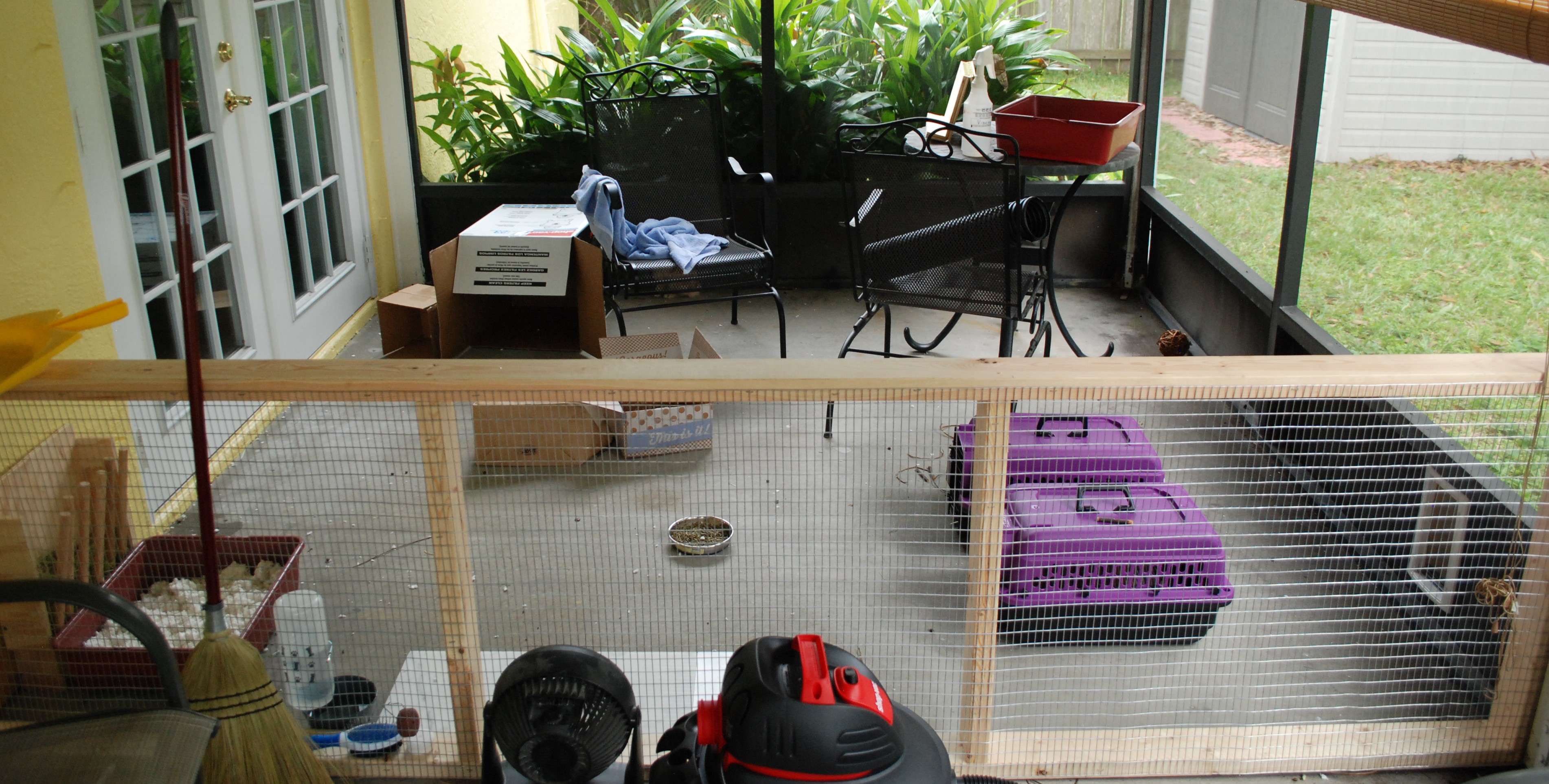
There have been a lot of changes happening on our back porch.  Some furniture was removed and arranged to allow for a Jurassic Park style raptor fence.

DSC_0418

Hmmm deadly raptors need a litter box and hay?  What kind of monsters are these?

DSC_0419

Beware the two terrors of Melbourne!

DSC_0422

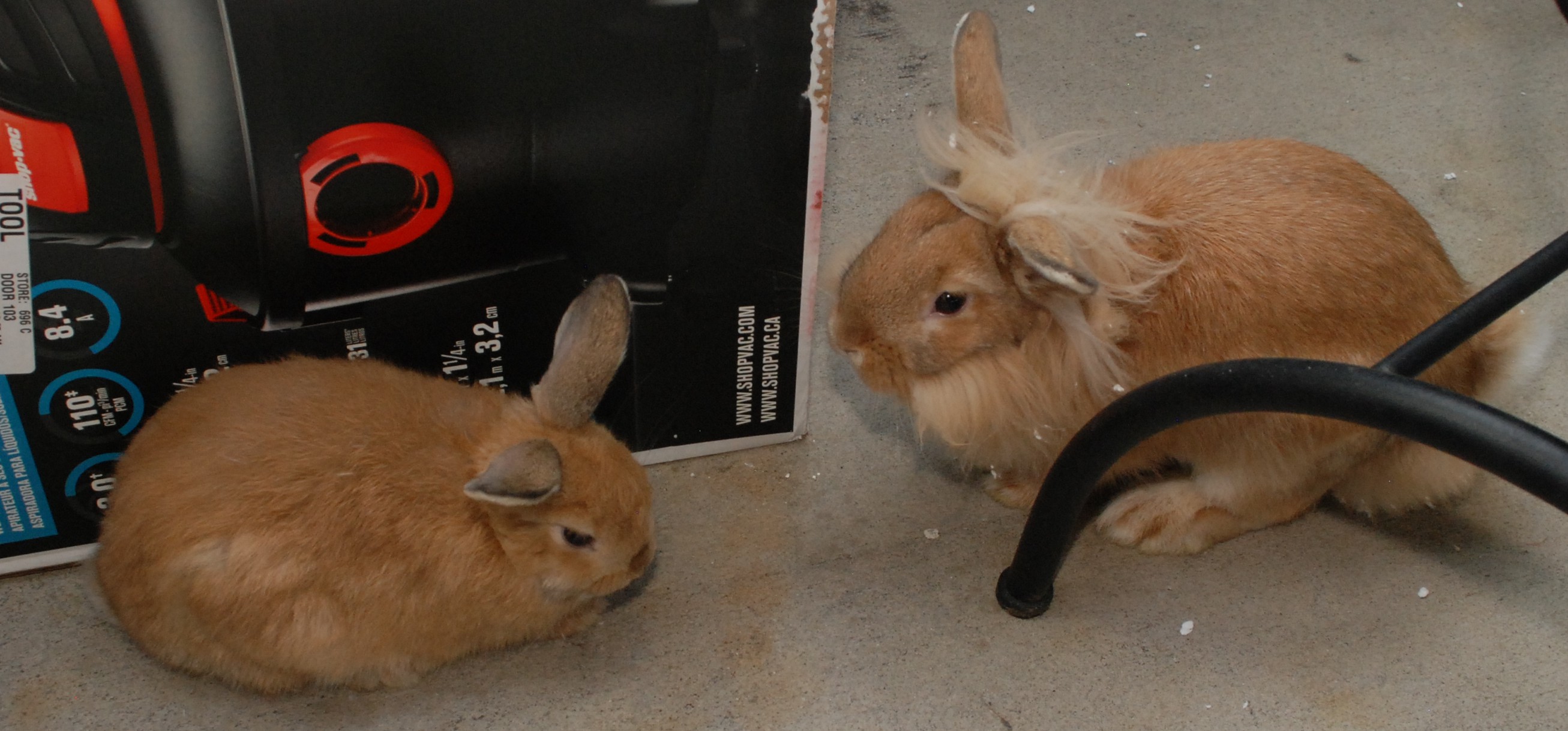
Yup, we got rabbits.  They are adorable vicious killer poop machines.  Seriously how can something so small produce so many poops!?   The bun loaf on the left is Honey.  She is sweet, soft and super curious.  The lion head on the right is Tyrion (aka Mr. T, and Sir Buns-alot).  He is always chasing Honey around, and is probably about ripe for getting fixed.  Now on to gratuitous cute shots.

This slideshow requires JavaScript.

They are a hand full, and we are working to get them accommodated to the porch before we open up the escape hatch and start working on the backyard.  Until then, we can rest assured that they have 100% fluffy cottontail butts.

DSC_0427

Seriously look at that butt.

The Queen is Dead, Long Live The Queen!

It is official, we lost our first hive.  I had hopes that maybe we could do something to revive them, but no.  Our friends at Trevena Fee Farm were able to provide us with a nuc of russian honeybees.  The original idea was to combine the new nuc with the old hive by separating them with newspaper.  They would chew through the newspaper slowly and eventually the new queen would be bonded onto the old bees.  I went in to inspect before opening the new nuc.  There were no old bees… well that makes the combining easy!

I was getting slimed however.  When there is nobody home to watch the house lots of nasty critters descend.  Specifically small hive beetles (SHB) had started to setup residence.  About half the frames in the deep had small but noticeable levels of SHB larva.  I think the new hive could take care of them, but decided to pull those frames.  I will reintroduce them after a day or two in the freezer.  No beetle larva problems then!

The great news is that the new nuc was absolutely packed with bees.

We gave him our #4 box with 5 of our drawn, but empty frames.  He have us back a box that must have been completely packed with bees.  If you think that is a lot, there were tons more inside.  I am floored.  We might have been having problems for a long time, I don’t remember the last time I saw that many bees.  At any rate we are very happy to be solidly back in the beekeeping business and can’t wait for them to settle in.  Ester 2, long may you reign.

Honey Harvest 2015

We had our first full harvest of hive Ester.  20 frames went by really quickly and easily with our home built honey spinner.  It was a bitter sweet harvest though.  I am pretty sure our queen is dead.  The hive population is very low, there is no capped brood, no signs of new brood, and we found a wax moth larva.  We had 6 weeks straight of rainy days, and near the end a serious brood problem showed up.  I couldn’t find any straight answer as to what it was.  It must have been some serious problem with the hive/queen.  Luckily some new friends from the beekeeping group might have a nuc for us.  Hopefully they come through before I have to freeze all the frames and give up for the year.

Back to the harvest, look at all these gorgeous frames!

All our equipment performed really well, and we ended up with about 37 pounds of honey. That looks pretty serious when it is all in one 5 gallon bucket.

DSC_0396

We bottled everything into 12 ounce bears to have enough small quantities to give away to friends and family.  That worked out to 50 bears, each with their own smart little label.

Now time to enjoy some honey.  Thanks bees!

DSC_0400


Wax Refining

I used a plastic tub to catch all the decapping debris.  There is a lot of honey mixed in, so a session sitting in the strainer is warranted.  Once drained of honey, it went back to the tub, and through multiple soak and drain cycles before the water ran clear and free of honey.

I was able to pack the wax into a single jelly strainer.  The strainer sat in an old pot and slowly melted away.  Once completely melted the nasty jelly bag gets tossed, and the wax can go into old containers.

The finished product was 9.5 ounces of wax.  It looks decent, but might need another strain.  Next time I might break it up into multiple runs to see if that helps the cleanliness of the finished product.  Still, it is perfectly good wax for use in all sorts of projects.