Mini Test Extraction

There is a lot involved in extracting honey.  You have to get the frames into your house without them being covered in bees, there is the removal of capping, the extraction, filtering and bottling.  Lots of steps with lots of potential for disaster and hang ups if you are new.  We are very new, so I thought a 2 frame mini test extraction would be worth a shot.  The girls are busy filling up the empty frames we added a few weeks ago, so we picked two (mostly) ripe frames to test my home built extraction rig.

This is the spinner portion of the centrifuge extractor.  I built it to go inside 5 gallon buckets so they would be easier to store.  There was an issue though, I didn’t give myself enough room on the bottom set of guides, and it didn’t fit.  So I started cutting and modifying and came up with an even better version that requires fewer parts.

DSC_0262

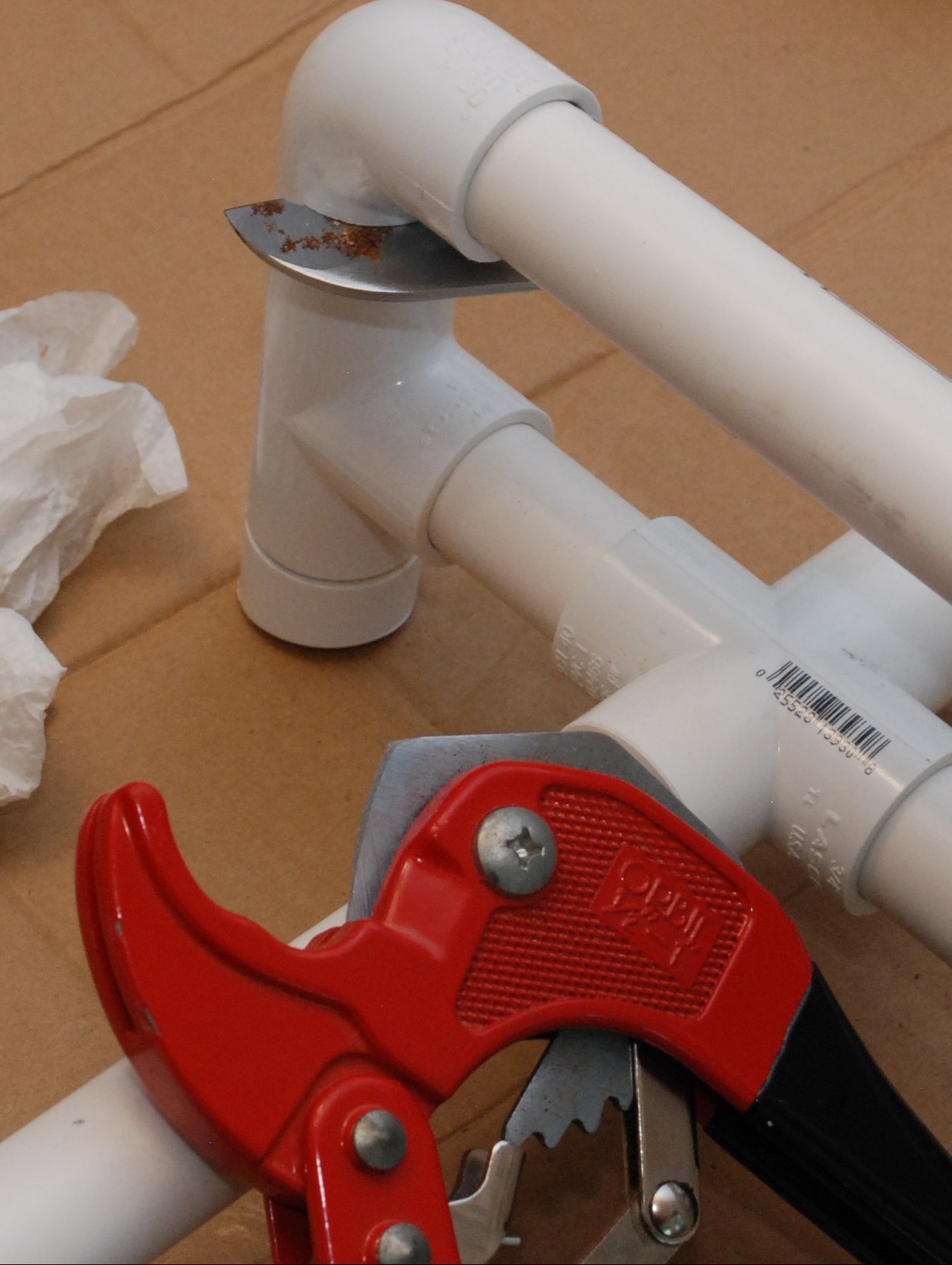
While modifying I broke the blade off my PVC cutters =(
DSC_0279

Now that I have learned how to properly build the bottom section I will make another and post it with full plans (parts list, lengths to cut, etc.).  Until then, just see what the results are from an extractor that cost less than 50 dollars in parts.


The Extraction

We took a set of full frames, de-capped both sides with an electric hot knife, and gave them both a spin.  The result was a pretty thorough extraction.

Once the honey settled and went through a filter we got some really amazing biscuits and honey.

DSC_0283

One frame was completely packed on both sides.  It lost 2lb 10oz going through the spinner.  The other was a bit lighter to start with and still had some open cells.  That one lost 2lb 1oz in the process.  We were able to bottle about 3.5lb of honey and 1oz of wax.  There is about a pound missing that probably got lost in the filters and side walls.  That will probably happen for extracting 2 frames or 20.

Assuming you do a pile of frames you can expect around 2.5lb of honey per full frame, or 25lb per super.  I have 2 supers full, and a 3rd on the way.  Oh boy, that is a lot of honey.


Wax Refinement

After letting the cappings drain through the filters for a bit I put them in a tub and did a series of rinses and soaks.  After a day of rinse and soak they appeared to be free of honey.

DSC_0284

A jelly strainer bag turned out to be perfect for refining.  It has a fine mesh on it, and you can toss it when done.  Basically dump everything inside, put it in an old pot and set the stove for low.  After a while the wax will all melt out and the junk will be left inside.

There will likely be some water in there from all the rinse cycles.  No bother, it will separate from the wax naturally.  Once you get everything melted, dispose of the bag and pour the pot contents into a form.  I used an old yogurt cup.

The hot wax will separate and float to the top.  Once cooled, break the wax out.  I ended up with a fairly clean chunk of wax weighing just over an ounce.  Bees are the best pets ever, thanks girls!!!
Raised Bed Clover

The variety of flowering plants we have been putting down over the last six months has started to bare pollinator fruit.  There have seen a number of bumble bees in our yard, and of course our own honey bees have something close to snack on.  I thought adding some clover would help out.  I picked up a pound of white and yellow clover and got going on a raised bed garden.

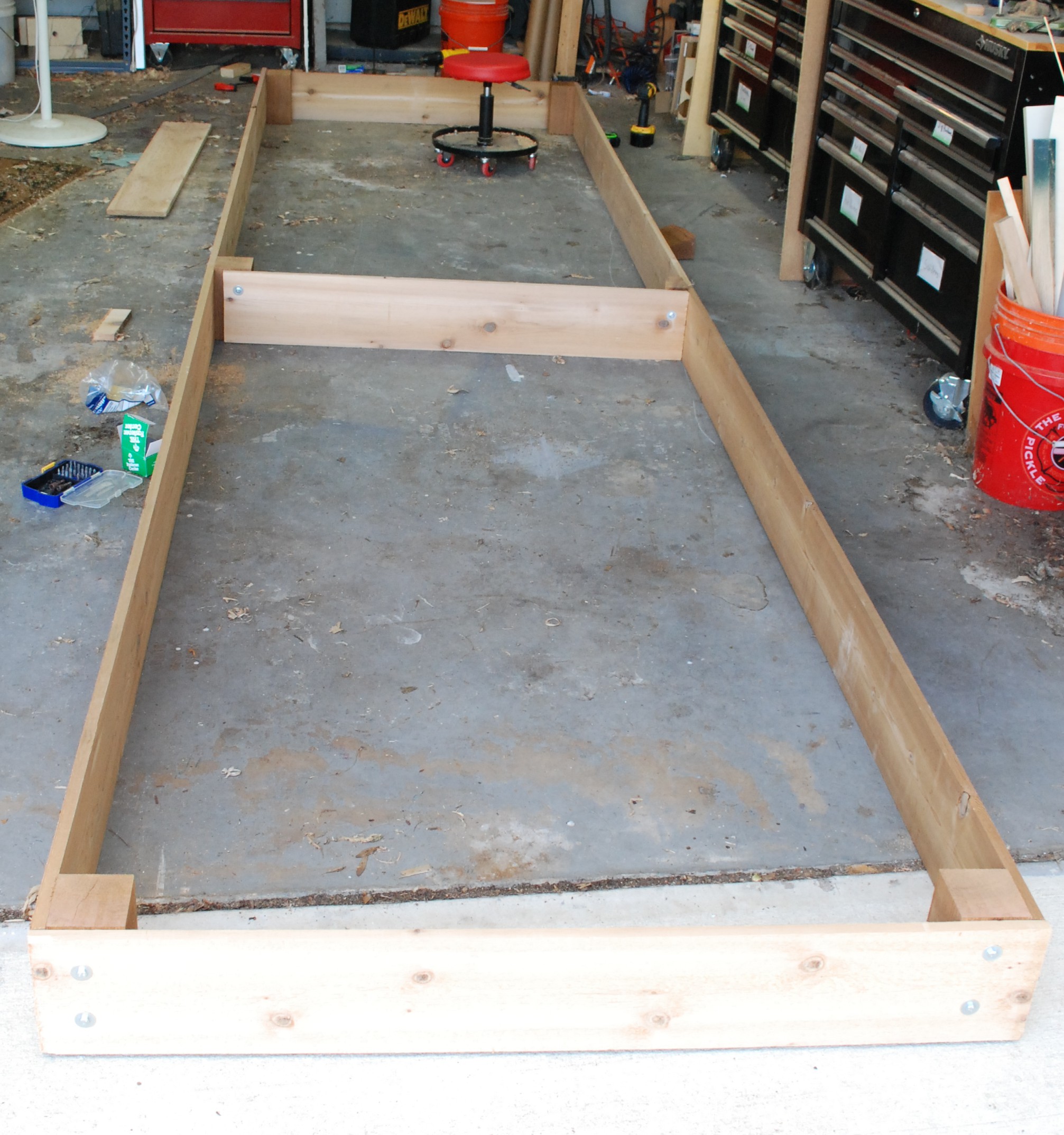
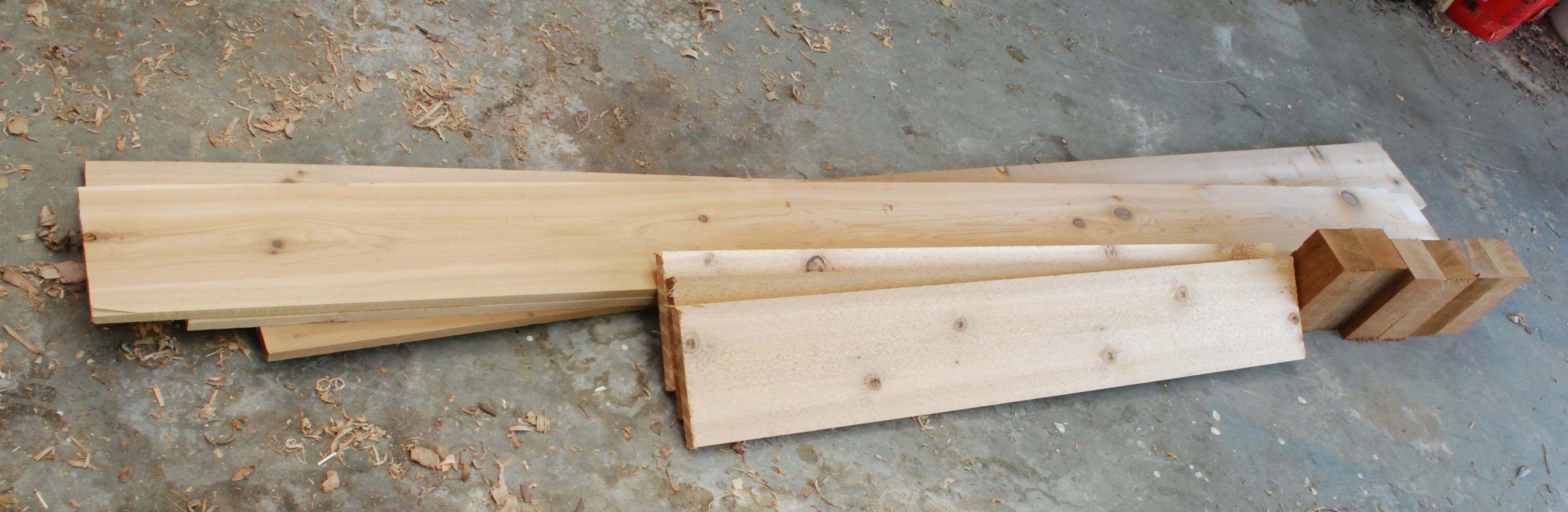
I considered tilling up some of the back yard and trying to plant where the grass had been.  I might give that a shot sometime, but doing a raised bed garden seems to be more of a guarantee of success.  I picked out enough cedar to make two joined 4ft x 8ft raised sections.

DSC_0249

12 foot board cut nicely down to 8 and 4 foot sections.  The corners and centers that tie everything together were made up of 4×4 pieces.  I went with galvanized lag bolts with washers with the hope that it will last longer than screws.  Time will tell.  Once assembled the thing was bigger than my garage, and almost too big to carry to the back yard.

DSC_0250

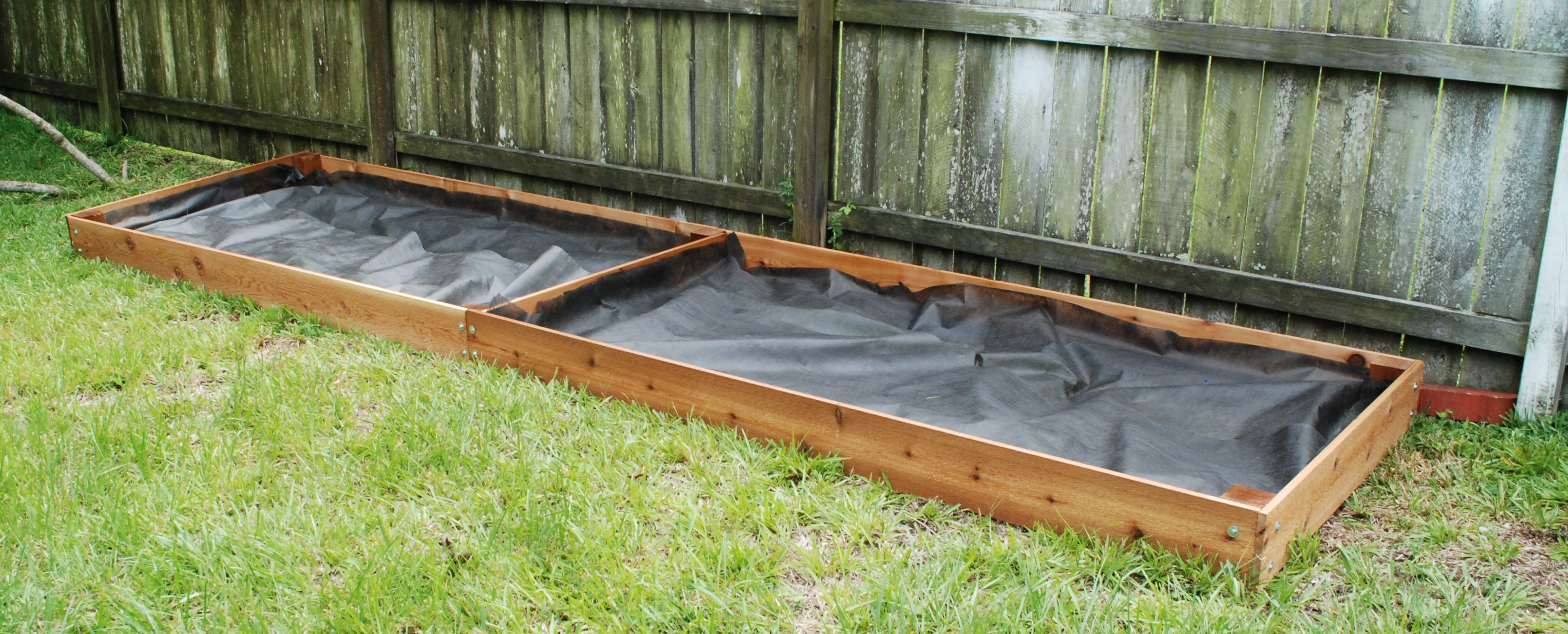
Before putting it in place I gave everything a coat of waterseal to add a little extra life to the cedar.  Once in the backyard weed screening was stapled to the inside to form a sealed area.  This meant I didn’t have to tear up the grass or worry about it growing up into the bed.  In all a serious time saver.

DSC_0253

A million trips wheelbarrow trips of dirt later and the beds were full.  I sprinkled down a few hands full of seed and mixed it into the top inch or so of dirt.  The picture below is about a week old with a few little sprouts start to poke through.

DSC_0261

Extended Apiary Area

When I first built our apiary I put down a few 20×20 pavers to serve as a base for the hive and working table.  It worked pretty well, but mowing has been a bit of a pill.  I haven’t gotten stung in a while, but it is always pretty dicy.  They just don’t like it when the mower gets right in front of the hive.  I can’t blame them, it is noisy and vibrates a lot.

My solution was just to roll down a bit of weed screen and extend the area out by another set of pavers.  We have already inspected the hive once with the new setup, and it makes seeing the bees easier in our immediate surroundings.  The first mow went really well too.  Just that little bit of extra space made a big difference in their comfort level.  When planning your apiary, it might do both parties some good to plan a mower buffer zone in front of the hive entrance.

Before

DSC_0186

After

DSC_0255

My Mi Trip

I went with the lovely wife up to Michigan to see the family in laws.  I didn’t intrude with my camera on any of the reunion activities, but I did get a chance to shoot some nice time lapse and highlight a few roadside attractions.  Mi is very green and gorgeous this time of the year, but their roads are terrible!

Nailed It

This is kind of a puzzle in multiple ways.  It is supposed to be presented to people as an impossible puzzle.  How did the nail get there, how do you get it out?  In reality, it was kind of a puzzle figuring out how to make it properly.

DSC_0244

I have seen it described a number of times.  Cut the shape out of a block of wood, boil the one end for a while, clamp it down in a vise till it dries, put the nail in, and reboil to (mostly) return the wood to its original form.  The finished product pictured above is my 3rd attempt.  The first two times had an issue

DSC_0228

Something that isn’t stated, at least not in the articles I read, is that grain orientation matters a lot.  The first two blocks of wood were flat sawn, and rolled badly under compression.  See the picture below.  The successful piece is a core cut and compressed evenly during the clamp.  I don’t know if core woods work better than stuff near the edge, but my guess is you want something that is mostly quarter sawn for this trick.

DSC_0230

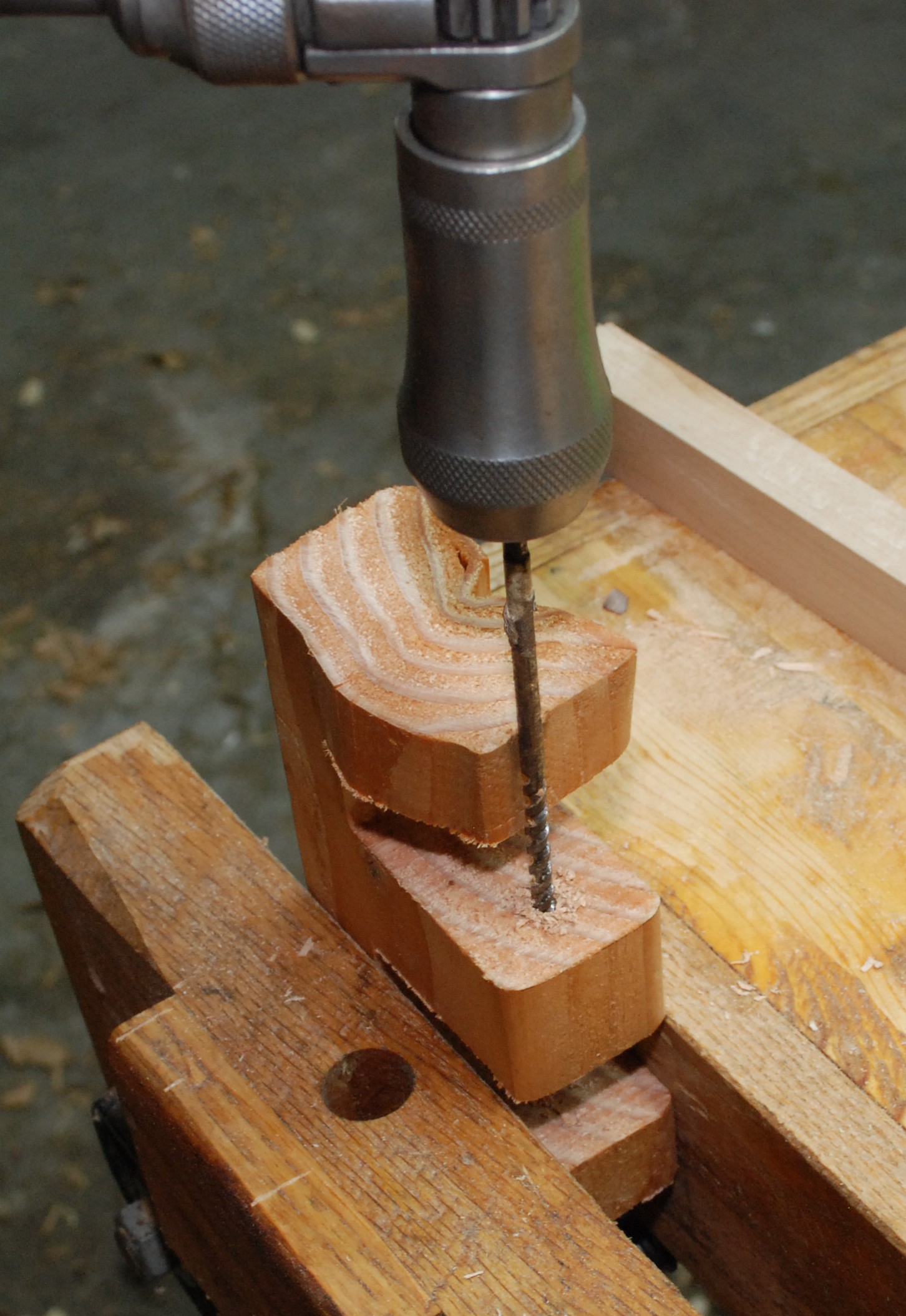
See how it keeps rolling over in the vice.  I couldn’t stop it, and reboiling the wood never straightened out very well.  Another lesson was to use a brace and long bit instead of a power drill.  The chuck kept getting in the way till I switched to the trusty old family heirloom.

DSC_0231

To summarize a few lessons in case anyone else wants to do this:

  • Be sure to get a really good boil, my first attempt wasn’t boiled enough and didn’t compress well
  • Use quarter sawn wood, or a core piece, flat cuts roll with the grain
  • Make sure you have a long enough bit
  • Try doing two at once.  It shouldn’t be any harder and gives better odds of success
  • Be careful when sanding everything flush later, I broke one tab clean off trying to rescue it with heavy sanding the second block

Brisket!!!

I have been on a BBQ media bender.  I recently read the Franklin Barbecue Meat Smoking Manifesto, and have watched all available episodes of BBQ with Franklin.  The result is that I want to make a brisket so bad!  Traditionally I have done mostly pork, some chicken, and sausage on my smoker.  All of those are awesome, but after so many years of smoking, it is time to branch out.

I traded my beloved hickory for oak, my complex sugar heavy rubs for coarse salt and pepper, and my pork for a big hunk of brisket.

DSC_0234

I got up at 6am to get this beast started.  I don’t like waking up early on the weekends, but this was totally worth it!  It went on about 6:30 and sat soaking up smokey goodness till about lunch time.

I started spraying it down occasionally with apple cider and checking for the level of bark.  I had some problems controlling the temperature on my smoker.  The base traeger I got has only 3 settings of temperature, low medium and high.  Low is lower than I want, and medium is higher.  Upgrading to a temperature controlled unit is high on my priority list.  I was getting through the stall and had the level of bark I wanted.  Next comes the wrap.  I went with the franklin method of paper wrapping instead of foil wrapping.

DSC_0236

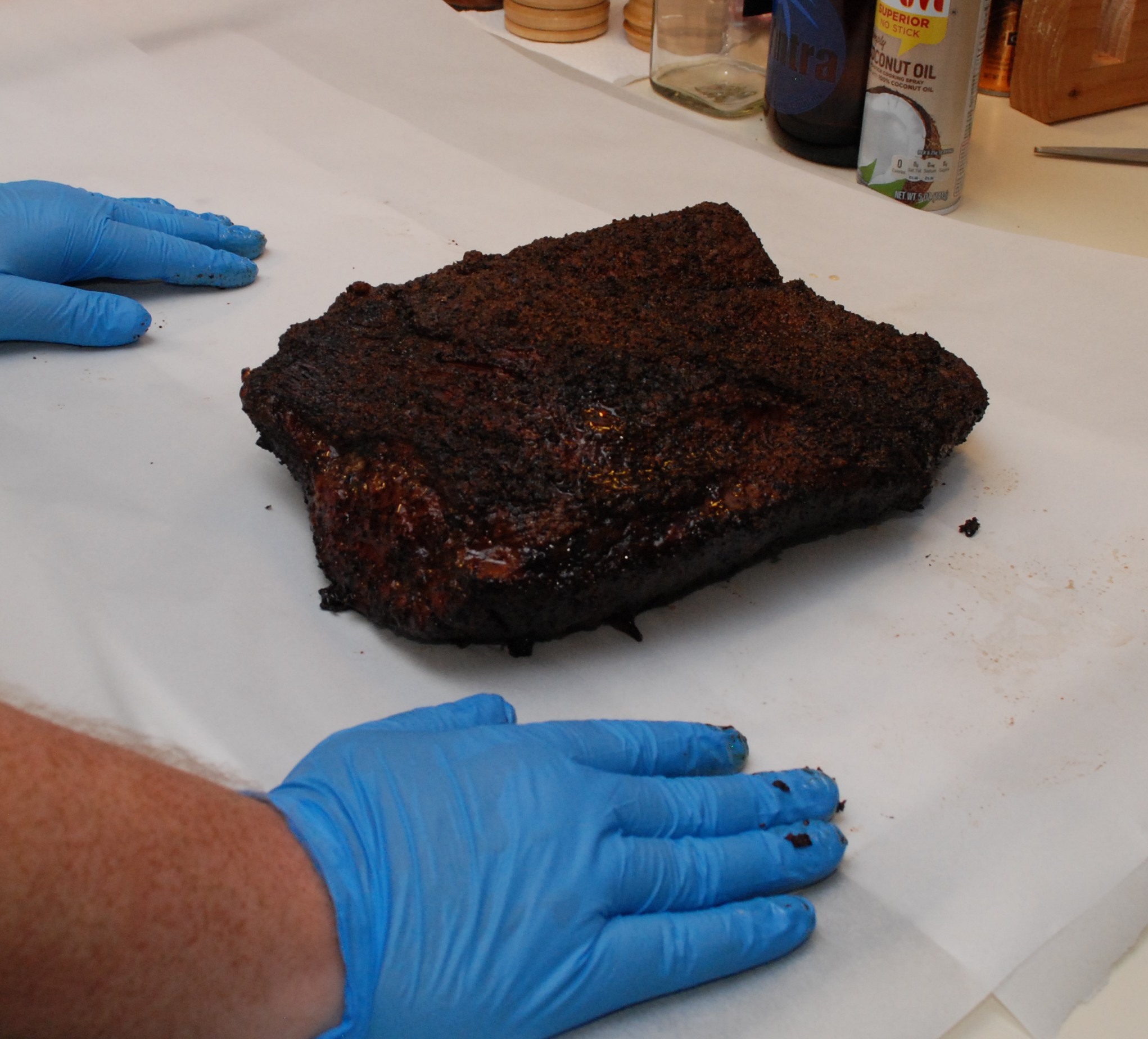
Once wrapped it went back to the smoker for the remainder of the afternoon.  I started poking and temp probing, and by 4:30 or so things looked done.  I pulled it and let it sit for a while still wrapped in paper.  I might unwrap next time, It took a long time to cool.  Finally, the cut.  I am no expert carver, and a really long knife would be helpful.  Still, I was able to identify the right side and carve properly.  This smells so good.

DSC_0238

DSC_0239

It was goooooooooood.  The temperature swings caused a few edges to be a little on the burned and dry sides, but otherwise it was a really good moist tender brisket.  Using only salt and pepper as a rub turned out great, why would you need anything more?  Not only does it provide some amazing dinners, we had brisket and eggs for breakfast.  Now that is a breakfast of champs!

Sriracha Ketchup

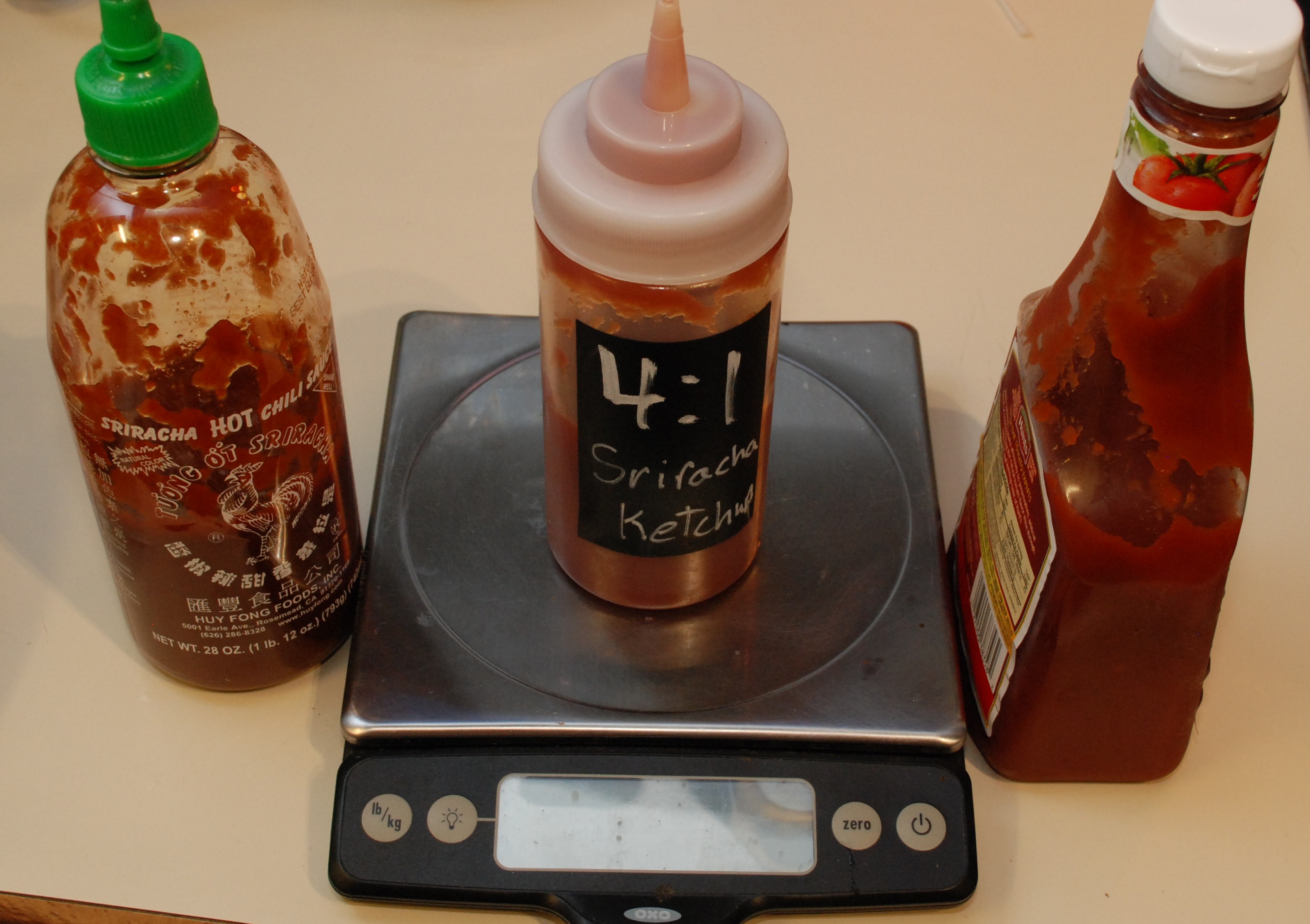
I bought some empty squeeze bottles for making custom home sauces.  An easy starter was Sriracha ketchup.  I began with small quantities and used a scale to set my ratios.

DSC_0227

4:1(ketchup to Sriracha) was a pretty good blend.  You could taste the chilli sauce with every bite, but wasn’t left in flames after eating a few tablespoons of the stuff.  Hot heads might want to try a 3:1 or a 2:1 ratio.  Only filling the squeeze bottle up a little means you can tweak your mix ratio after sampling.

A pile of Wendy’s fries provided an excellent test medium for my new sauce.

DSC_0233


Tree Revenge Kit

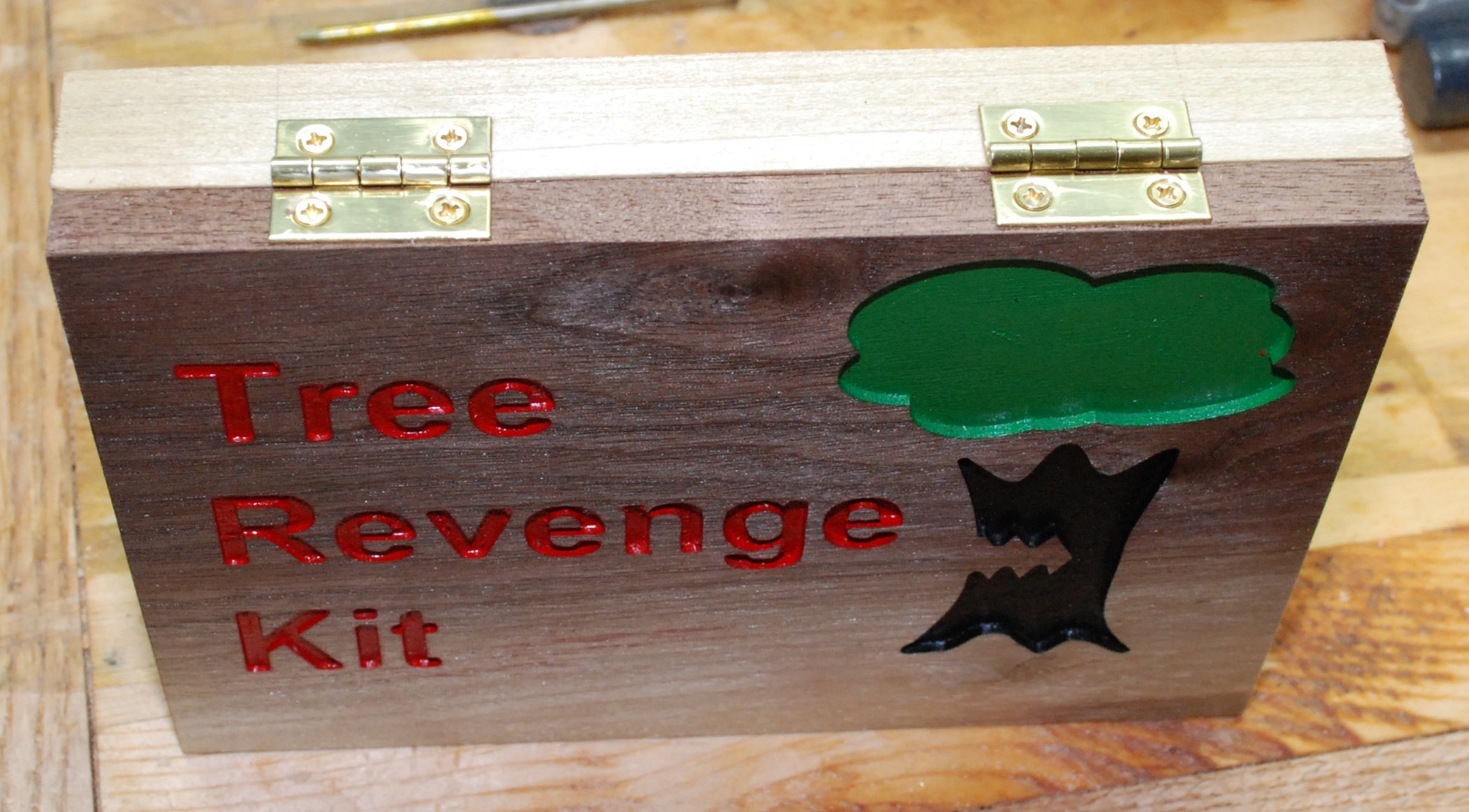
I love trees!  The whole oxygen-necessary-to-life thing is neat and all, but their dead dried carcasses are where it is really at!  Aged cherry, bright maple, dark smooth walnut.  Every once and a while these trees get their revenge.  Splinters don’t happen often, but when they do… OUCH!  Thus, my Tree Revenge Kit was born.

The kit sits right next to the entry to my shop and contains a single set of tweezers.  I like the ridiculous idea of a monster kit that has all kinds of fancy locks, and when you open it up there is only a small simple thing inside.  This isn’t that extreme, but the box certainly could be a lot smaller.  Or I could just put the tweezers in a drawer.


The Build

This is another mix of woodworking and CNC milling.  The lid is walnut and the base is poplar.  I started by making the top, and milling out the text and tree all in one go.  Each color got masked off and hit with spray paint.  I think this might be my new preferred method of inlaying color into wood.  It is quick and easy, and goes down well over a quick coat of spray lacquer.  Having done a number of color inlay projects at this point, nothing is faster or cleaner than hand planing off the excess paint on top.

Once the lid was cut out and finished I could cut the poplar base to match.  Nothing special was done to it aside from milling out a slot for the tweezers to go in, and some relief cuts for a set of big fingers to pull the tweezers out.

A really funny project would have been to cut the slit, but not the finger relief.  Then, make a tool (with magnets?) to extract the tweezers.  Maybe that tool would get its own box.  It should have a lock to keep people from stealing it.  I digress.

DSC_0214

A set of simple hinges hold the two halves together, and that about wraps it up.

Building Beekeeper Community

I have had the bee madness for about 6 months now.  Our hive is going well, the honey is flowing and the girls appear to be relatively healthy.  What more could someone ask for?  Well community would be nice.  Why not start one!

Space Coast Beekeepers

I have no idea how many people keep bees in the area, or if they are worth talking to.  Time for a social adventure!  If anyone reading this happens to live in Brevard county Florida, come on down.

Custom USB Stick With Bonus Disaster

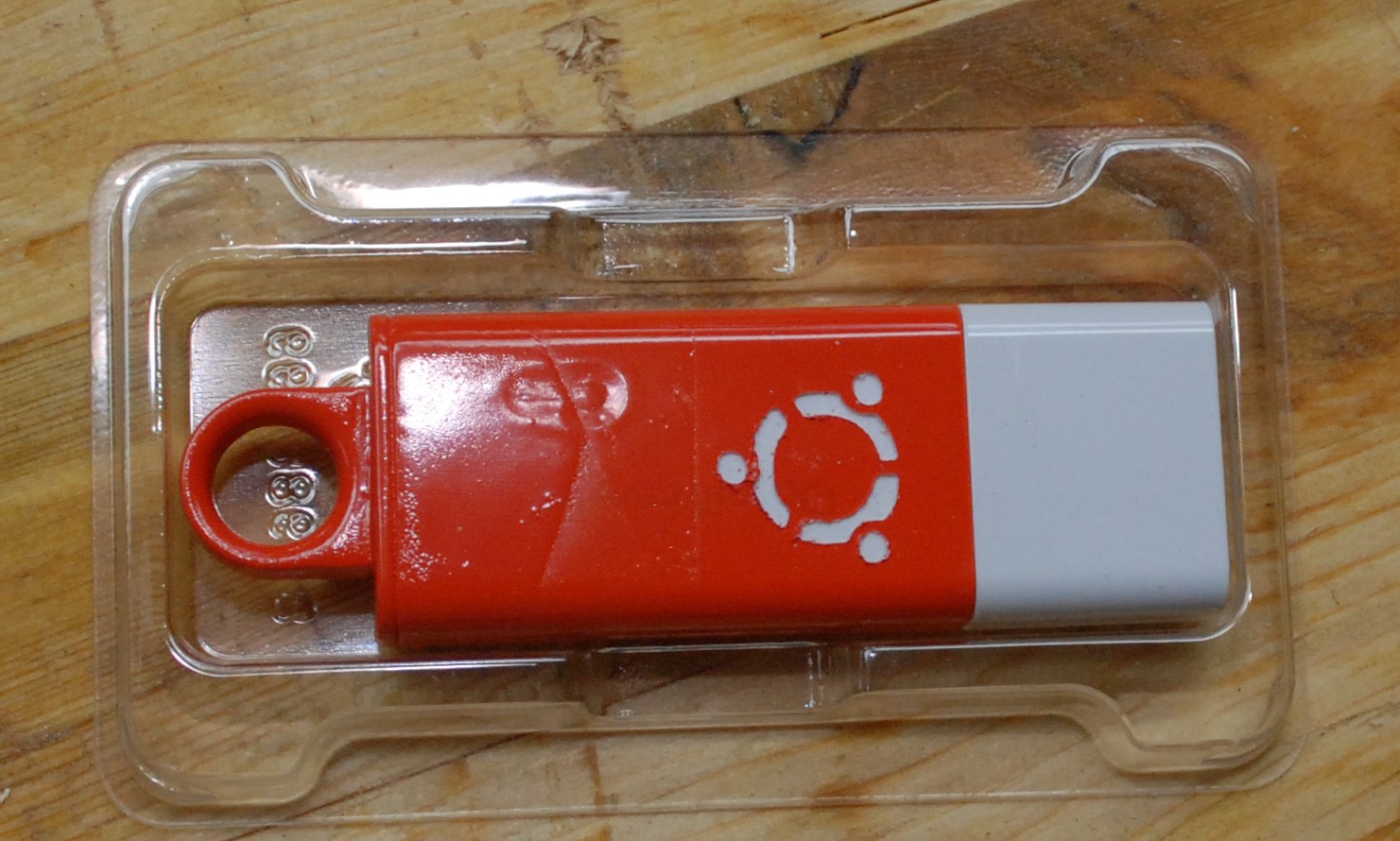
I have a media computer hooked up to a TV that had been running windows 8.  After no end of having system updates failing and reformats I finally replaced it with Ubuntu.  I like the operating system.  It was easy to install, does everything I need on that computer, is fast, and appears stable.  Best of all it is free and can be installed with a USB stick.  I am going to be keeping a copy around from now on.  Might as well have a proper storage stick.

DSC_0200

That is the Ubuntu symbol in case you aren’t familiar.  So my spray painting job isn’t exactly perfect, but I am happy with how this one turned out.  I took a standard USB stick, painted it orange (Ubuntu’s color), then carved the logo into the paint to reveal the white plastic beneath.  It may seem like tons of work just to identify a jump drive, but when you have a mill, things like this MUST be done!

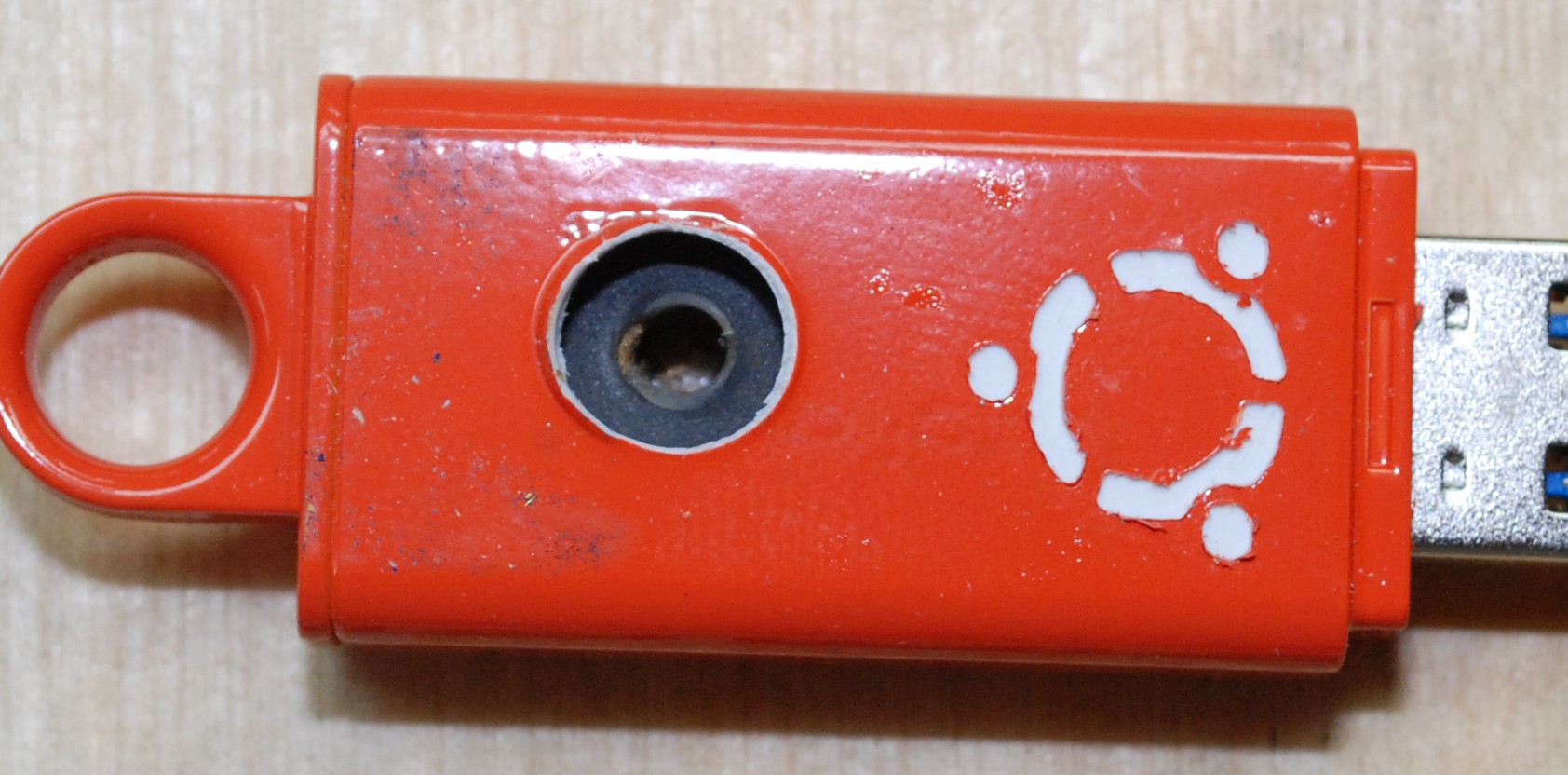
It wasn’t without issue though.  I bought two incase I messed up one.  Good thing too, because I forgot to reset the zero (starting position) in my mill software and plunged an engraving bit straight through the poor thing.

DSC_0197

Yes, that hole goes clean through.  Might as well try again.  The symbol milled into this drive was my second attempt.  It needed minor cleanup, but looks pretty good.  My attempt on the backup USB drive and was the finished product I showed first.

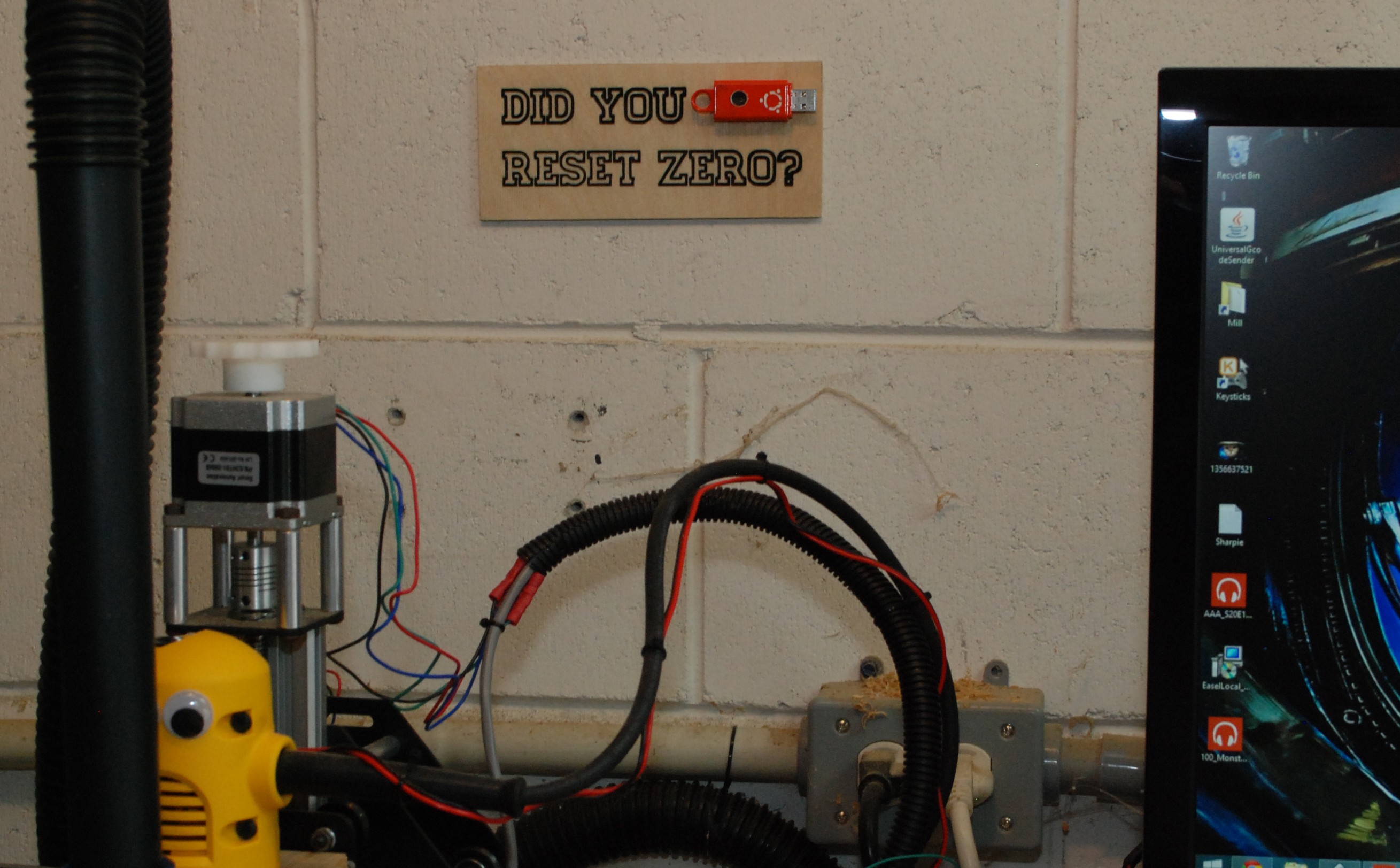
I think this speared usb stick can serve as a good example of what not to do.  Why not keep the engraving going and make myself a reminder sign?  I engraved some outline text into a bit of plywood, and sprayed it with black paint to highlight the lettering.

I went a little overboard with the paint, but after sufficient sanding I got through and had a decent looking set of letters.  I attached the USB stick and placed the new sign on the wall behind my mill.  Hopefully this will help keep me from making future mistakes… Yeah, probably not.

DSC_0199